
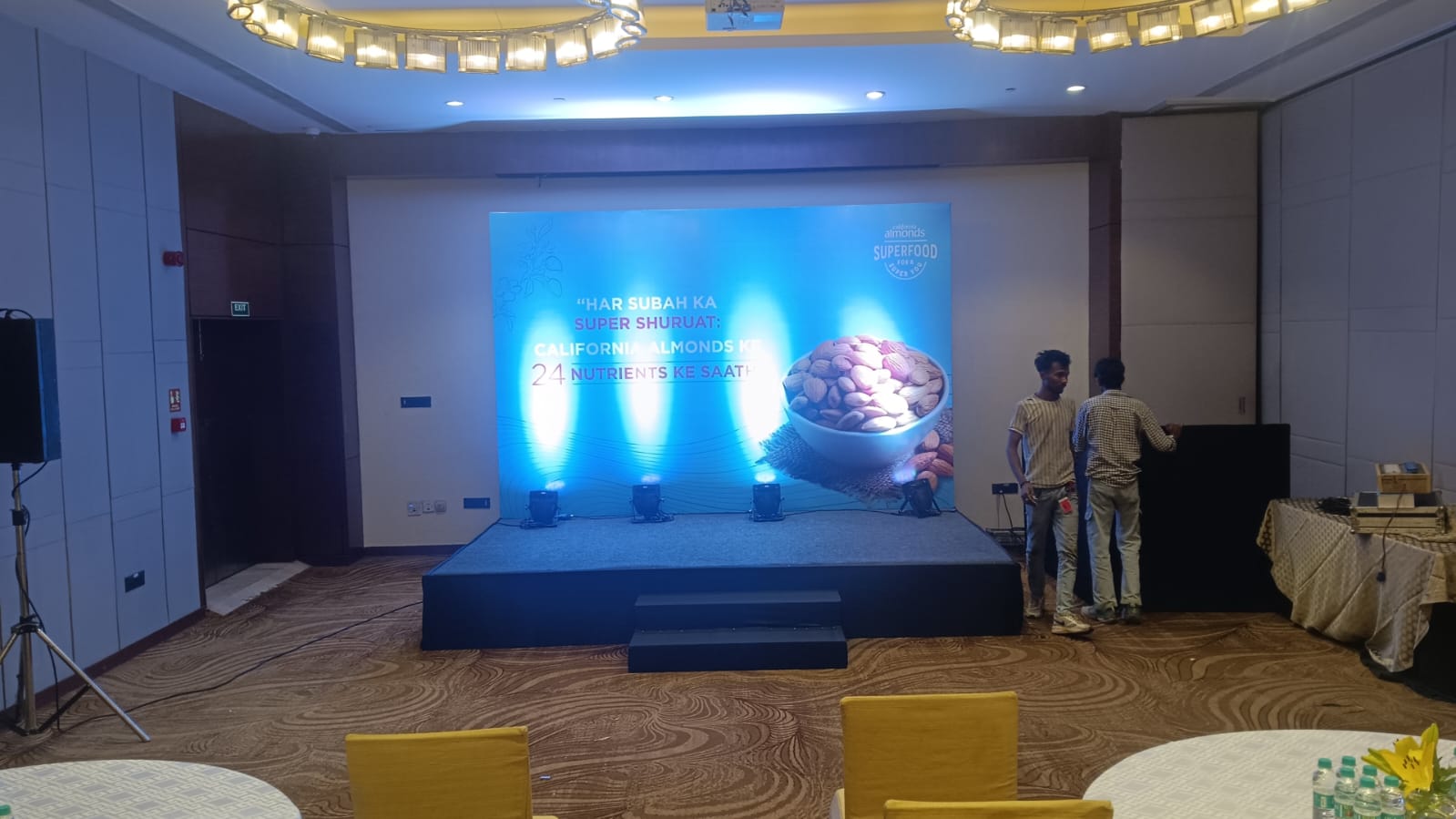
Launching a new product is an important milestone for any business. A well-planned launch event can introduce the product to the right audience, create interest, and provide an opportunity for direct interaction with customers, partners, media, or business representatives.
If you are planning a product launch event in Panchkula, several factors need to be considered, including the event objective, target audience, venue, product presentation, branding, promotion, guest experience, budget, and event-day execution. Careful planning helps create an event that supports both the product and the wider business goals.
What Is a Product Launch Event?
A product launch event is an organised event designed to introduce a new product or service to a specific audience. Depending on the business and product, it may include product demonstrations, presentations, networking sessions, entertainment, media interaction, customer engagement activities, or live experiences.
The format can vary from a small business gathering to a larger corporate event. The right format depends on the product, audience, budget, and purpose of the launch.
Why Is Product Launch Planning Important?
A product launch involves several activities that need to work together. Without proper planning, important details such as guest management, technical requirements, product demonstrations, branding, or event schedules can easily be overlooked.
A structured plan helps businesses:
- Define clear objectives for the launch
- Identify and understand the target audience
- Choose an appropriate venue and event format
- Plan product demonstrations and presentations
- Coordinate branding and event production
- Organise guest registration and communication
- Manage the available budget
- Prepare for event-day requirements
- Follow up with attendees after the event
Good planning also allows the team to identify potential issues before the event and prepare suitable solutions.
How Do You Plan a Successful Product Launch Event?
A successful launch begins well before the event day. The following steps can help businesses organise the process more effectively.
1. Define the Objective
Start by deciding what the business wants to achieve through the launch.
The objective could be introducing a new product, generating awareness, demonstrating product features, connecting with potential customers, strengthening business relationships, or creating media interest.
Having a clear objective makes it easier to make decisions about the event format, audience, venue, promotion, and activities.
2. Identify the Target Audience
The event should be planned around the people who are most relevant to the product.
Depending on the product, the audience may include existing customers, potential buyers, distributors, business partners, industry professionals, media representatives, or employees.
Understanding the audience can help determine the event’s tone, presentation style, activities, communication channels, and overall experience.
3. Select the Right Venue
The venue should match the expected number of guests and the requirements of the product launch.
Consider factors such as:
- Location and accessibility
- Seating capacity
- Parking availability
- Stage and presentation space
- Audio-visual facilities
- Lighting requirements
- Internet connectivity
- Branding opportunities
- Catering facilities
- Technical support
The venue should also provide enough flexibility for product demonstrations, networking, photography, and other planned activities.
4. Plan the Product Presentation
The product should remain at the centre of the event.
Plan how the product will be introduced, demonstrated, and explained to attendees. Depending on the product, this could include a presentation, live demonstration, video, interactive experience, product display, or customer interaction.
The presentation should clearly communicate what the product does, who it is designed for, and what makes it relevant to the intended audience.
5. Create Consistent Event Branding
Branding helps connect the launch event with the company’s overall identity.
Use consistent brand elements across suitable event materials, such as:
- Stage and backdrop
- Welcome signage
- Product displays
- Presentation screens
- Invitations
- Registration areas
- Digital content
- Event photographs and videos
The branding should support the product without making the event feel visually crowded.
What Should a Product Launch Event Include?
There is no fixed format for every launch event. However, a well-organised event may include:
- Guest registration and welcome
- Opening remarks
- Brand or company introduction
- Product presentation
- Product demonstration
- Speaker or expert session
- Customer interaction
- Networking opportunities
- Photography and video coverage
- Media interaction where relevant
- Closing remarks
The final schedule should be based on the event objective and audience rather than adding activities simply for the sake of having a longer programme.
How Can You Promote a Product Launch Event?
Promotion should begin before the event so that the intended audience has enough information and time to participate.
Businesses can use suitable channels such as social media, email communication, digital advertising, direct invitations, business networks, and other relevant promotional methods.
The promotional content can gradually introduce the product, event details, key speakers or activities, and registration information.
The messaging should remain consistent across different channels and should clearly communicate why the event is relevant to the intended audience.
How Much Does a Product Launch Event Cost?
The cost of a product launch event depends on several factors rather than having one fixed price.
Important cost factors may include:
- Venue rental
- Stage and event setup
- Audio-visual equipment
- Lighting
- Branding and printing
- Catering
- Entertainment or speakers
- Photography and videography
- Guest management
- Promotional activities
- Transportation or logistics
- Technical and event staff
Businesses should prepare a detailed budget before finalising suppliers and services. It is also useful to keep a contingency amount for unexpected event-related expenses.
For a broader understanding of event pricing, businesses can also review this guide on event management cost in Chandigarh when comparing different planning requirements and budgets.
When Should You Start Planning a Product Launch?
The ideal planning timeline depends on the size and complexity of the event.
A small launch may require less preparation, while a larger event involving multiple suppliers, speakers, production requirements, guests, and promotional activities may need considerably more time.
Start planning as early as possible, particularly when the launch requires a specific venue, specialised equipment, guest coordination, custom branding, or multiple vendors.
An early start gives the team more time to confirm suppliers, review the event schedule, manage invitations, and address unexpected changes.
Should You Hire a Professional Event Management Company?
Businesses can manage an event internally, but a professional event management company can help coordinate different parts of the launch.
Event professionals may assist with planning, venue coordination, vendor management, event production, guest handling, branding, scheduling, and on-ground execution.
The decision depends on the company’s internal resources, event complexity, budget, timeline, and level of support required.
When selecting a service provider, businesses can review how to choose an event planning company by considering its relevant experience, services, communication process, planning approach, and ability to manage the requirements of the specific event.
How Can You Measure the Success of a Product Launch?
Event success should be measured against the objectives established during the planning stage.
Depending on the purpose of the launch, businesses may review:
- Number of registered and attending guests
- Audience engagement
- Product demonstrations or interactions
- Customer enquiries
- Media or industry interest
- Social media engagement
- Feedback from attendees
- Follow-up opportunities
- Leads or sales generated where applicable
The most useful measurements will vary depending on whether the primary objective was awareness, customer engagement, networking, product education, or business development.
Why Is Event-Day Execution Important?
Even detailed planning needs strong execution on the day of the event.
The event team should have a clear schedule covering guest arrival, registration, presentations, product demonstrations, speaker sessions, technical requirements, photography, and closing activities.
It is also important to have responsible team members available to handle unexpected issues quickly. A clear communication system between organisers, vendors, speakers, and technical teams can help keep the programme organised.
How Can Digital Marketing Support a Product Launch Event?
Digital marketing can support a product launch before, during, and after the event. The purpose is not simply to promote the event, but to communicate the product with the right audience at different stages of the launch.
Before the event, businesses can use social media, email campaigns, digital advertising, or other suitable channels to announce the launch, share product information, and encourage registrations or interest.
During and after the event, businesses can use appropriate content such as photographs, videos, product demonstrations, and event highlights to continue the conversation with their audience.
The right approach depends on the product, target audience, launch objectives, timeline, and marketing budget. Digital promotion should complement the event strategy rather than operate separately from it.
Conclusion
Planning a successful product launch requires more than organising an event on a particular date. Businesses need to connect the product, audience, venue, presentation, branding, promotion, budget, and event execution into one coordinated plan.
For a product launch event in Panchkula, starting with clear objectives and a well-defined audience can make the planning process more structured. From selecting the right venue to preparing the product presentation and managing event-day activities, every element should support the purpose of the launch. Hashtag Media & Entertainment India can support businesses with event planning and related promotional requirements based on their specific launch objectives.
With careful preparation and the right event support, businesses can create a professional launch experience that communicates the product clearly and provides meaningful opportunities for audience engagement.
Frequently Asked Questions
How do you plan a successful product launch event?
A successful product launch starts with a clear objective and target audience. Businesses should then select the right venue, plan the product presentation, organise branding and event production, promote the event, manage the budget, and prepare for event-day execution and follow-up.
What should be included in a product launch event?
A product launch event may include guest registration, an opening session, product presentation, live demonstration, speaker sessions, networking, customer interaction, photography, videography, and media engagement where relevant. The activities should match the product and event objectives.
How much does a product launch event cost?
The cost depends on factors such as venue, event size, stage setup, audio-visual equipment, branding, catering, entertainment, photography, guest management, and promotional activities. A detailed budget should be prepared based on the specific event requirements.
How early should you start planning a product launch event?
The planning timeline depends on the size and complexity of the event. Larger launches should be planned well in advance to allow enough time for venue booking, vendor coordination, branding, guest invitations, technical arrangements, and promotional activities.
How can you promote a product launch event?
A product launch can be promoted through social media, email campaigns, digital advertising, direct invitations, business networks, and other relevant marketing channels. Promotional communication should clearly explain the product, event details, and how the audience can participate.
Should you hire a product launch event management company?
Hiring an event management company can be useful when a business needs professional support with planning, venue coordination, vendor management, event production, guest handling, branding, and event-day execution. The decision depends on the event’s complexity, budget, timeline, and internal resources.
How can digital marketing support a product launch event?
Digital marketing can support a product launch before, during, and after the event. Businesses can use social media, email, digital advertising, photographs, videos, and event highlights to communicate with relevant audiences and maintain engagement around the product.
How do you measure the success of a product launch event?
Success can be measured using factors such as attendance, audience engagement, product interactions, customer enquiries, feedback, media interest, social media engagement, and follow-up opportunities. The most relevant measurements depend on the original objectives of the launch.